

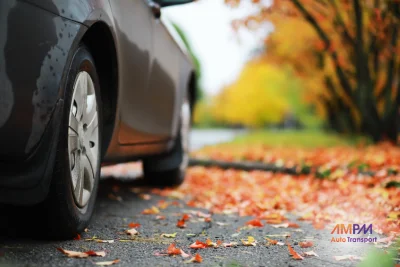
Fall has a way of arriving quietly. One week, you are driving with the air conditioning on. The next, the mornings are darker, leaves are collecting around the windshield, and your tire pressure warning suddenly appears. It is easy to overlook fall car preparation because the weather often feels comfortable. There may be no snow on the road or freezing temperatures in the forecast yet. Still, this is exactly what makes fall a useful time to check your vehicle. A few small maintenance tasks now can help you find worn tires, weak batteries, damaged wipers, and low fluids before colder weather makes those problems harder to ignore.
Seasonal car maintenance does not need to become a full weekend project. Start with the parts that affect visibility, traction, starting power, and everyday reliability. Then take a little time to clean and protect the car before rain, frost, road salt, and winter grime arrive. Here is how to prepare your car for fall without overcomplicating it.
Why Fall Car Preparation Is Worth Doing Early
Cars do not experience the seasons the way people do, but changes in temperature and driving conditions still affect how they perform. Cooler weather can expose a battery that was already losing strength. Tire pressure may drop as the air gets colder. Earlier sunsets mean you depend on headlights more often, while rain, fog, and falling leaves make clear visibility even more important. Fall is also the last comfortable chance many drivers have to deal with outdoor maintenance. Washing the car, checking tires, replacing wipers, or organizing the trunk is much easier on a mild afternoon than during the first cold storm of the year. That is why fall vehicle maintenance should not be treated as an emergency response. It is simply a chance to notice small problems before winter places more demand on the vehicle.
Start by paying attention to anything that has changed. Does the engine take longer to start in the morning? Do the brakes make a new sound? Does the steering wheel vibrate at highway speed? Are the headlights looking dimmer than they did last year? Dashboard warning lights, unfamiliar smells, fluid spots under the car, and unusual noises are worth checking.
A vehicle does not always break down without warning. Quite often, it gives you several smaller clues first. Your location matters too. Drivers in warmer states may only need to prepare for rain, shorter days, and occasional cold mornings. In areas with snow and freezing temperatures, fall car maintenance may also include checking antifreeze protection, planning a tire change, and putting winter supplies in the trunk. A useful fall car care checklist should fit the weather where you actually drive. There is no reason to prepare a Florida vehicle exactly the same way as one driven through a Minnesota winter.
A Fall Car Maintenance Checklist That Covers the Basics
A maintenance checklist can become unnecessarily long. You do not need to inspect every nut and bolt just because the calendar changed. Focus first on the parts that affect how the vehicle starts, stops, grips the road, and allows you to see clearly.
Check the Tires Before Temperatures Drop
Fall tire maintenance begins with pressure and tread. Tire pressure can change as outdoor temperatures fall. Check it when the tires are cold and use the pressure recommended by the vehicle manufacturer, not the maximum number printed on the tire. The correct figure is usually listed on a label inside the driver’s door or in the owner’s manual. Look at the tread while you are there. Uneven wear may point to an alignment, suspension, or inflation problem. Cracks, bulges, exposed cords, and objects stuck in the tire also deserve attention. Do not forget the spare tire if your vehicle has one. A spare that has been sitting untouched for several years may have low pressure when you finally need it. Drivers in snowy or icy regions may also want to decide whether winter tires make sense. Good tread becomes increasingly important on wet, slippery, or snow-covered roads.
Test the Battery and Inspect the Connections
A battery may seem fine during warm weather and struggle as temperatures fall. Pay attention to slow starting, clicking sounds, dim lights, or electrical features that behave strangely. These signs do not always mean the battery needs replacing, but they should not be ignored. Inspect the battery terminals for visible corrosion and make sure the connections are secure. If the battery is older or the car has been slow to start, fall is a good time to have its condition tested. Cold weather reduces battery performance, so a battery that is already weak may leave you stranded once winter arrives.
Make Windshield Wiper Maintenance a Priority
Wipers are easy to forget until the first heavy rain. Run them with washer fluid and watch the windshield. Replace the blades if they leave streaks, skip across the glass, squeak heavily, or fail to clear part of the driver’s view. Windshield wiper maintenance should also include checking the washer fluid level and spray nozzles. Make sure the fluid reaches the windshield rather than spraying too low, too high, or not at all. Drivers expecting freezing temperatures should use washer fluid designed for colder conditions. Plain water can freeze in the reservoir, lines, or nozzles. Clear leaves and debris from the area beneath the windshield as well. Wet leaves can collect around the wipers and block drainage or airflow openings. Fresh wipers, working washer fluid, and a functional defroster all contribute to clearer visibility during rain, frost, and early winter weather.
Review the Fluids, Belts, Hoses, and Brakes
Open the hood only when the engine is cool and the car is parked safely. Check the levels of engine oil, coolant, brake fluid, and windshield washer fluid according to the instructions in your owner’s manual. Do not open a hot cooling system. Look for wet areas, cracked hoses, loose connections, or signs that fluid has been leaking. A small spot under the vehicle may not tell you exactly what is wrong, but it is a reason to investigate. Inspect visible belts and hoses for cracking, fraying, swelling, or other damage.
These components may wear gradually, so problems are not always obvious from behind the wheel. Pay attention to the brakes during normal driving. Grinding, squealing, pulling, vibration, or a soft brake pedal should be checked rather than added to a list for later. A fall maintenance check commonly includes fluids, filters, belts, hoses, brakes, and other basic wear items that may become more troublesome in colder conditions.
Check the Lights, Heater, and Defroster
Fall means shorter days. You may find yourself driving to work in low light and coming home after sunset. Walk around the vehicle and check the headlights, high beams, brake lights, turn signals, taillights, hazard lights, and license plate lights. Ask someone to help or use a reflective surface when checking the rear lights. Clean cloudy or dirty light lenses so they can provide better visibility. Test the heater before you actually need it. Do the same with the front and rear defrosters. A heater problem can make the cabin uncomfortable, but a defroster problem can make the vehicle difficult to drive safely. You need to be able to clear fog and light frost from the glass. Shorter days and wet weather make working exterior lights especially important during the fall.
Protect the Car Inside and Out Before Winter
Mechanical checks are only part of fall car care. The change of season also brings tree sap, wet leaves, mud, rainwater, and eventually road salt in colder regions. A little cleaning now can make the car easier to manage over the next several months. Start with a thorough exterior wash. Pay attention to the lower body panels, wheels, wheel wells, bumpers, and areas where dirt collects. Remove bird droppings, sap, insects, and leaves rather than allowing them to sit on the paint. Wet leaves should not be left across the roof, hood, or base of the windshield.
They can hold moisture against the surface and may leave stains as they begin to break down. This is also a good time to inspect the paint. Small chips may expose the metal underneath, where moisture and road salt can contribute to corrosion. Should you wax your car before winter? In many cases, yes. Wax or another appropriate paint protectant can add a temporary barrier between the finish and the water, grime, leaves, and road residue it may encounter. The product will not make the vehicle immune to winter conditions, but it can make contamination easier to clean away.
Apply wax only after washing and drying the car. Follow the product instructions, and avoid applying it to hot paint in direct sunlight. Also recommends applying wax before winter as part of seasonal vehicle preparation. Car detailing for fall should include the interior too. Vacuum dirt, sand, crumbs, and dried leaves from the floor and seats. Clean the inside of the windows, since interior film can make glare worse during rainy nights or low morning sunlight. Check the floor mats for damage. Rubber or all-weather mats may be easier to clean in areas where shoes regularly bring in mud, snow, or road salt. Look in the trunk while you are cleaning. Remove summer items you no longer need, such as beach gear, and replace them with supplies that fit the coming season.
Depending on the climate, that may include:
- An ice scraper
- A small snow brush
- Jumper cables
- A flashlight
- Gloves or a blanket
- A phone charger
- Basic first-aid supplies
- Tire inflation equipment
You do not need to turn the trunk into a storage room. A few practical items are usually more useful than an oversized emergency kit filled with things you have never checked or learned to use.
Keep Fall Vehicle Maintenance Simple and Consistent
The best fall vehicle maintenance tips are not complicated. Check the car before cold weather settles in. Fix clear problems while the days are still mild. Then continue paying attention as temperatures change. Tire pressure may need to be checked more than once during the season. Wiper blades can wear after repeated use. Washer fluid may run low during a stretch of rainy weather. A fall car care checklist works best when it is treated as a starting point rather than a one-time event. Keep up with the maintenance schedule in the owner’s manual. That schedule should guide oil changes, filters, coolant service, tire rotations, and other vehicle-specific work.
Avoid replacing fluids or parts simply because a generic seasonal checklist says to do so. The vehicle’s mileage, condition, service history, design, and manufacturer recommendations matter more than the month on the calendar. Fall car preparation is really about reducing surprises. A weak battery is easier to deal with in your driveway than on a freezing morning. Worn wipers are easier to replace before you are driving through heavy rain. Low tire pressure is better corrected before the first icy commute.
Take an hour to walk around the car, look under the hood, clean the interior, and test the features you will depend on in colder weather. You may not find anything wrong. That is a good outcome too. A little seasonal car maintenance can make the transition into fall and winter feel much less abrupt. The vehicle is cleaner, the essential systems have been checked, and you have fewer unanswered questions when the weather finally changes.