



What Makes Boat Shipping Different?
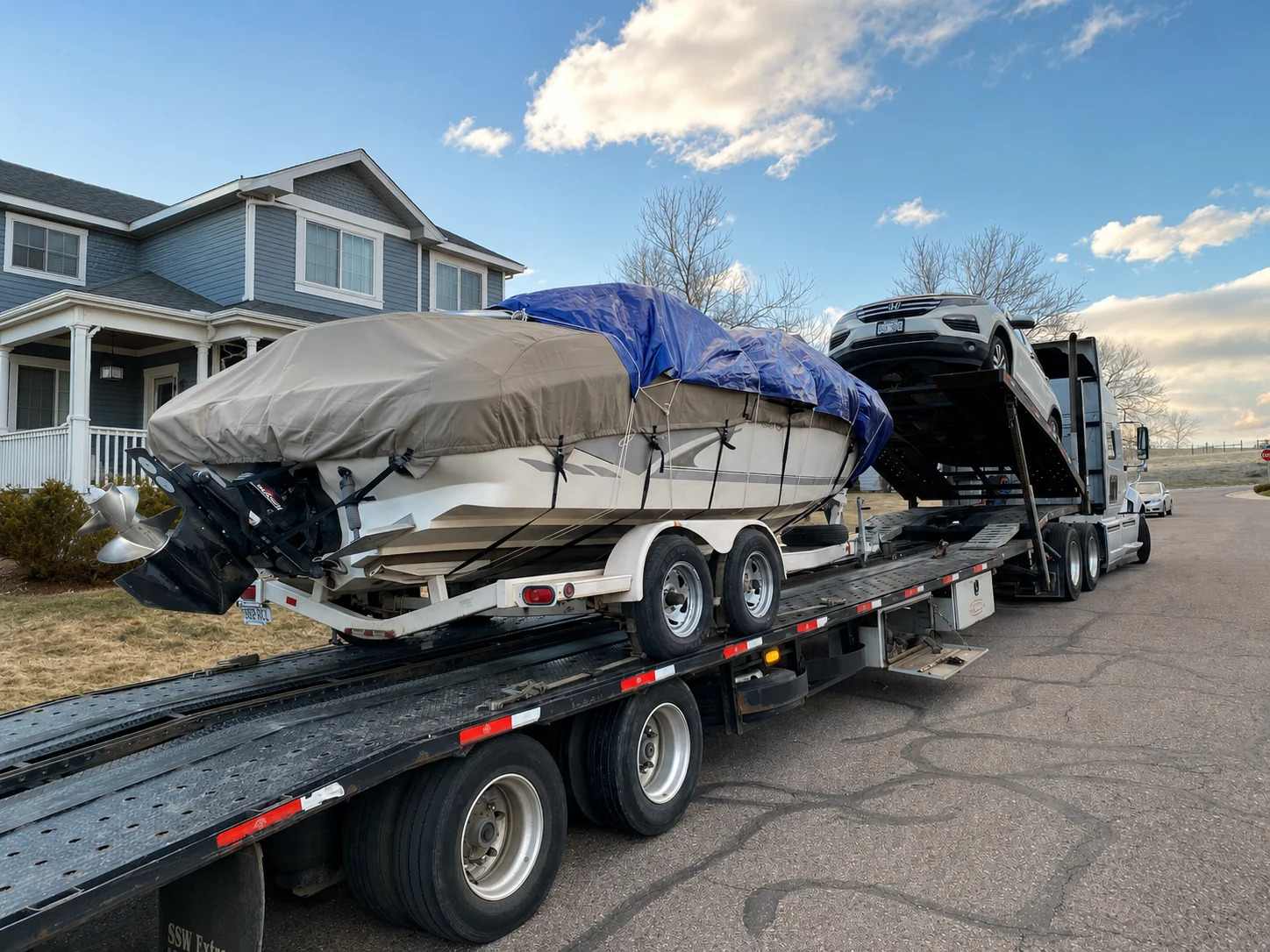
Boat shipping requires more specialized planning than standard car or freight transport because boats vary greatly in shape, size, weight and center of gravity. This boat transportation option may require custom trailers, secure supports and careful weight distribution to protect the hull during transit.
To transport a boat safely, the carrier considers its full length, width, height, weight and condition, including the trailer and fixed equipment. Depending on these measurements, overland boat transport may require permits, route planning or the removal of tall and detachable parts.
Boats may travel on a road-ready trailer, flatbed, hydraulic trailer or other specialized equipment. Boats without trailers may need a cradle, crane or travel lift, while large boat transport can require additional equipment and support.
How Should You Prepare Your Boat for Transportation?
Remove Loose Gear
Clear personal belongings, electronics and fishing gear from the cabin and deck. Secure the seats, cushions and anything else that could shift. Before pickup, photograph the hull, deck and equipment, along with any existing damage.
Reduce the Height
Close the hatches, windows, doors and cabin openings. Lower or remove antennas, outriggers, radar equipment and towers. Height often decides whether the load clears a route. Also remove any covers that cannot handle highway travel.
Drain the Tanks
Drain the freshwater, wastewater and bilge water when the transporter asks. Water adds weight and shifts during the trip. For fuel levels and battery disconnection, follow the transporter's instructions.
Check the Trailer
Does the boat travel on its own trailer? Inspect the tires, brakes, bearings, lights and hitch. Bearings matter most here. A trailer that has sat unused for months can fail on a long haul. Report any problems before pickup.
Types of Boats
Fishing Boats
Fishing boats vary in length, beam, height and weight. Towers, outriggers, trolling motors and electronics can increase loading height. Small boat transport may use a road-ready trailer when it is safe and properly sized.
Sailboats
Sailboat shipping depends on length, beam, height, weight and keel type. The mast and rigging usually need lowering and securing. Deep-keel sailboats may need custom cradles, hydraulic trailers or crane-assisted loading for vessel transport.
Pontoon Boats
Pontoon boats have wide, flat decks that affect trailer selection and route access. Their full dimensions and weight must be measured. Canopies, furniture and Bimini tops should be lowered, removed or secured before boat transportation.
Speedboats
Speedboats require accurate length, beam, height, weight and ground-clearance details. Windshields, spoilers, engines and sensitive finishes may need careful loading, secure support or added protection. Boat transporters also need complete trailer information.
Which Transport Option is Right for a Boat?
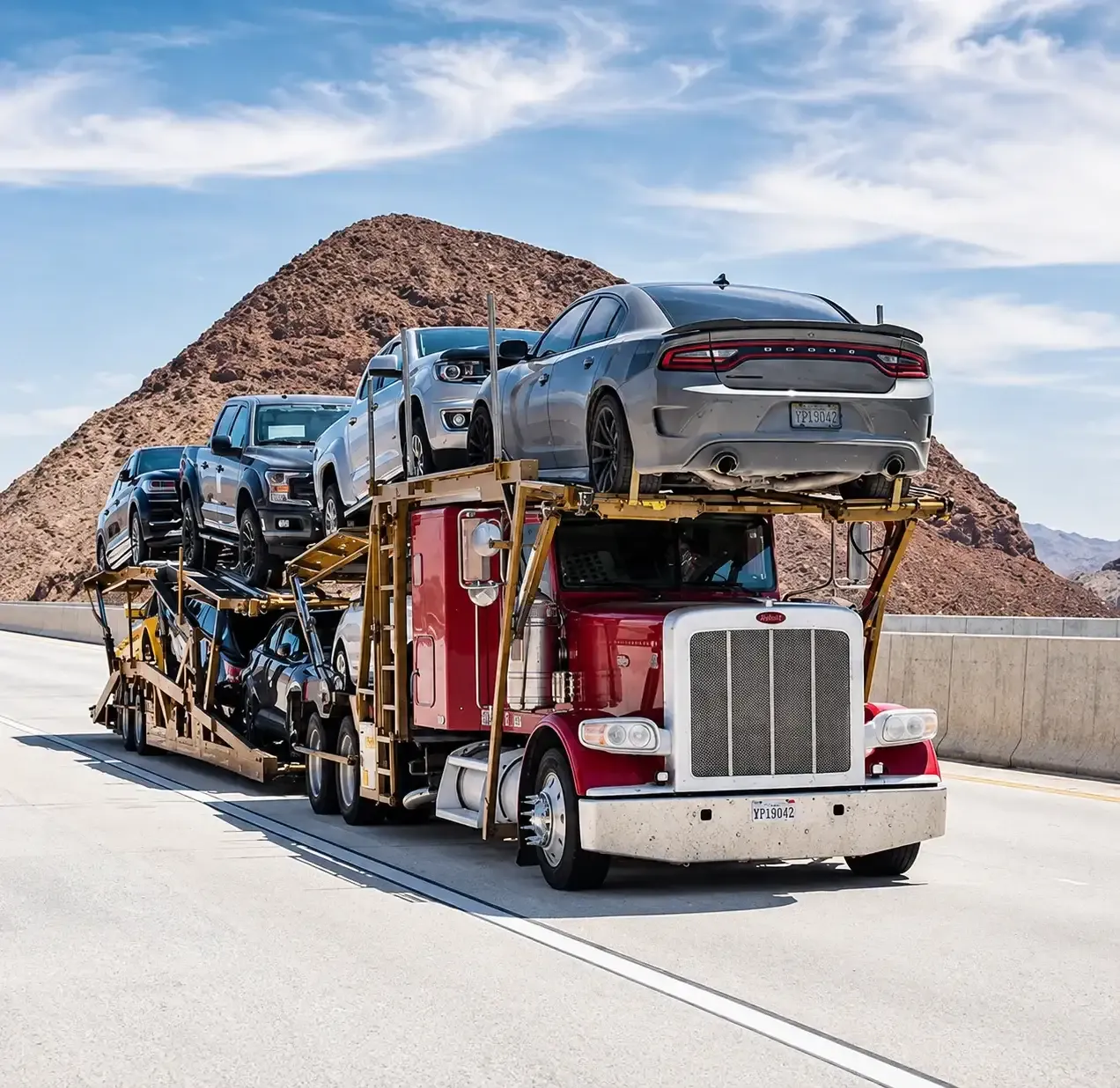
The right boat transport service depends on the boat’s size, weight, shape, condition and trailer readiness.Trailer transport may suit a boat with a road-ready trailer. Flatbed boat trucking may be used when the boat does not have a usable trailer. Loading can require a cradle, crane or marina travel lift.
Specialized boat hauling services may be needed for large, tall or wide boats. Yacht transport services and yacht hauling can also require permits, planned routes and escort vehicles. When comparing boat shipping companies, share accurate specifications and photos. AMPM will review the details and prepare a boat transport quote based on the route and equipment needed.